
Watch Winder vs Watch Box: Which Wins?
A GMT that stays set and ready to wear feels different from one pulled from a drawer, stopped and forgotten. That is the real question behind watch winder vs watch box - not which accessory looks more impressive, but which one suits the way you collect, rotate, and enjoy your watches.
For some collectors, a watch box is the cleaner move: elegant, protective, and built to showcase a line-up with presence. For others, a watch winder adds a layer of convenience that makes automatic pieces feel truly on standby. If your collection leans into statement automatics, iconic sports references, and pieces you switch between throughout the week, the choice deserves more than a quick glance.
Watch winder vs watch box: what is the actual difference?
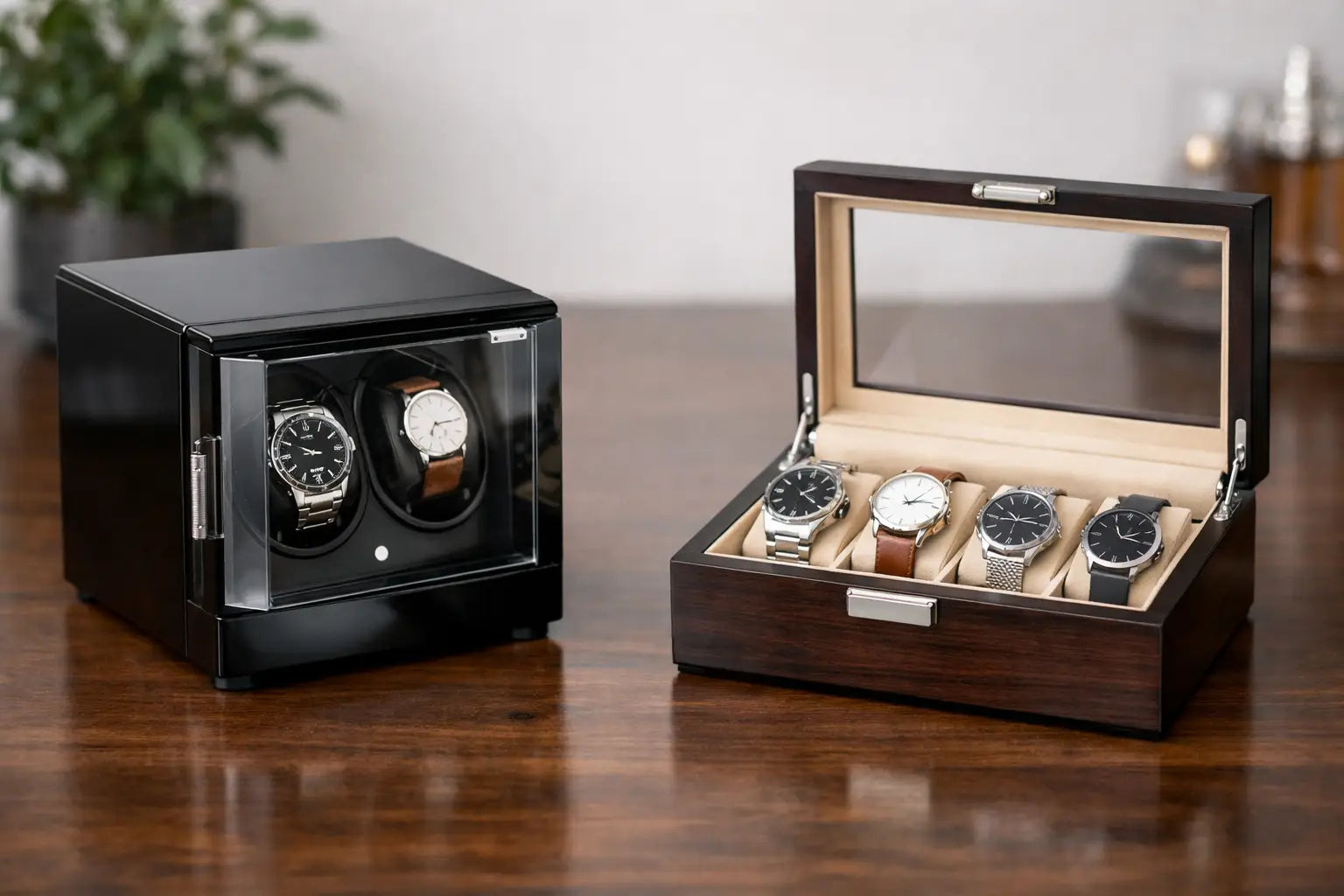
A watch box is straightforward. It stores your watches safely, keeps them organised, and presents them properly. Think of it as the tailored wardrobe for your collection - structured, refined, and designed to protect against dust, knocks, and clutter.
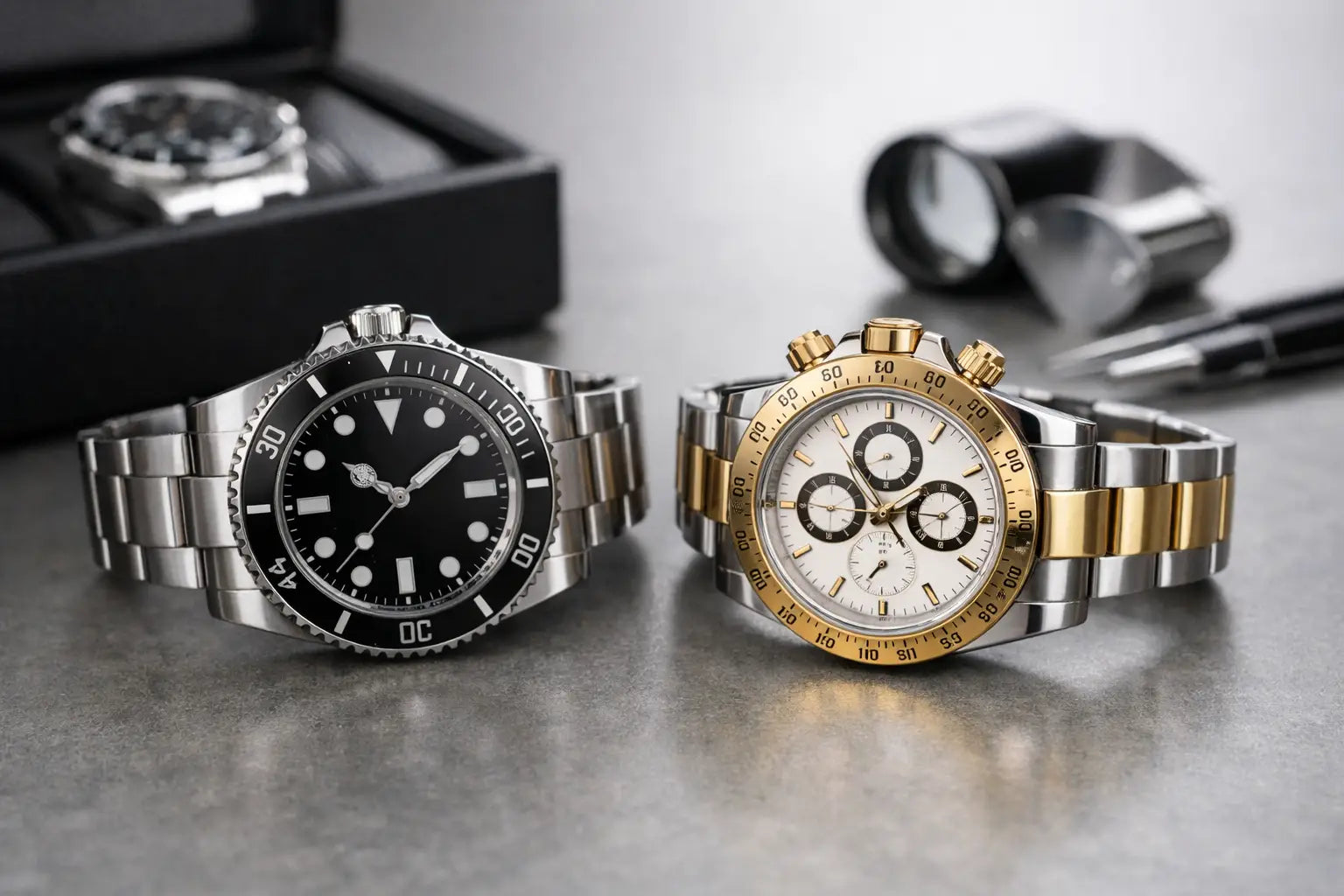
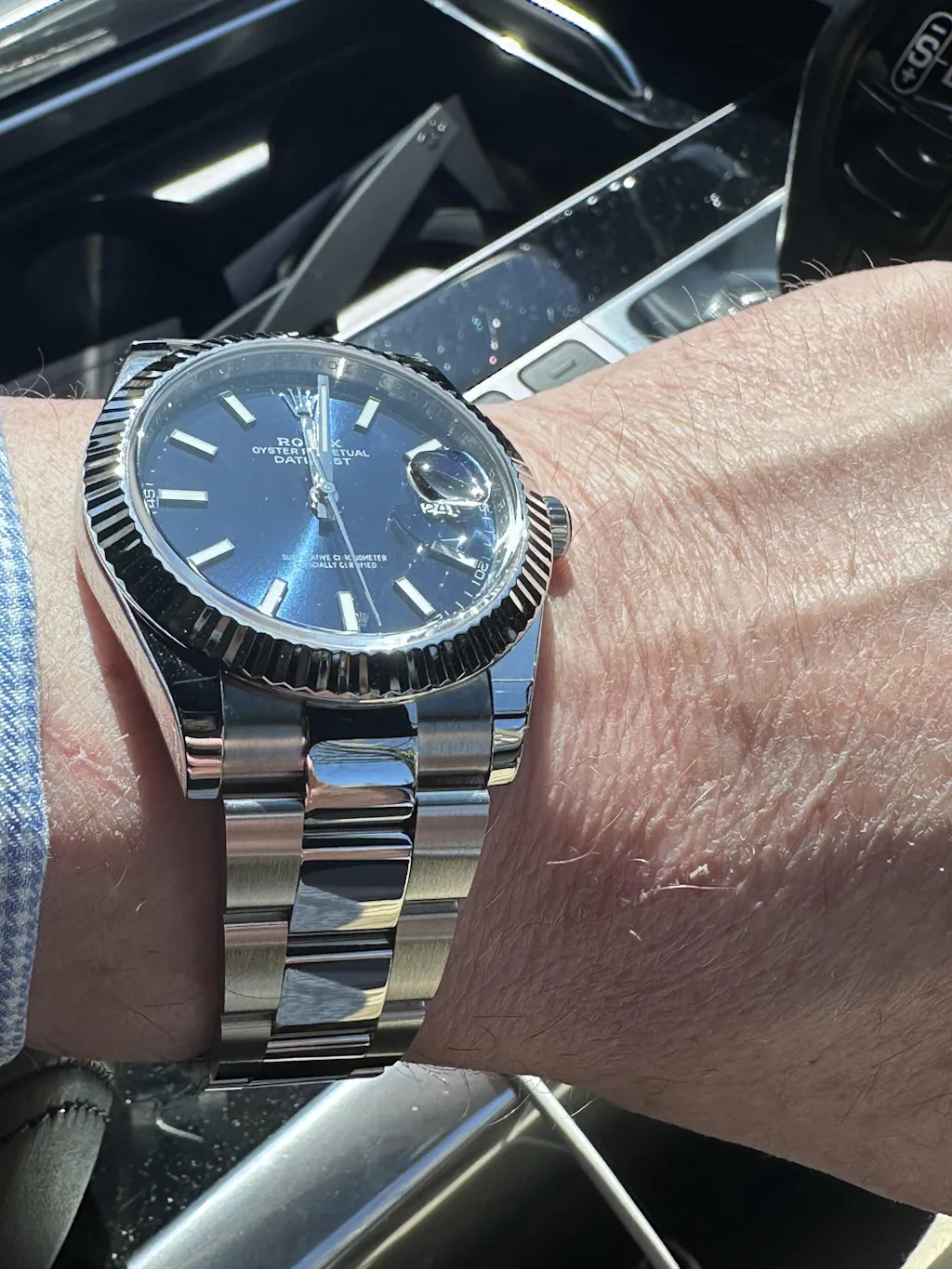
A watch winder does something different. It stores your automatic watch while also rotating it to keep the movement running. That means the time, and often the date, remain set while the piece is not on your wrist. If you own automatics styled after icons such as a Daytona, Datejust, Submariner, Royal Oak or Nautilus, that convenience can be a genuine luxury.
The difference matters because these accessories solve different problems. A watch box is about protection and presentation. A watch winder is about readiness and mechanical continuity.
When a watch box is the better choice
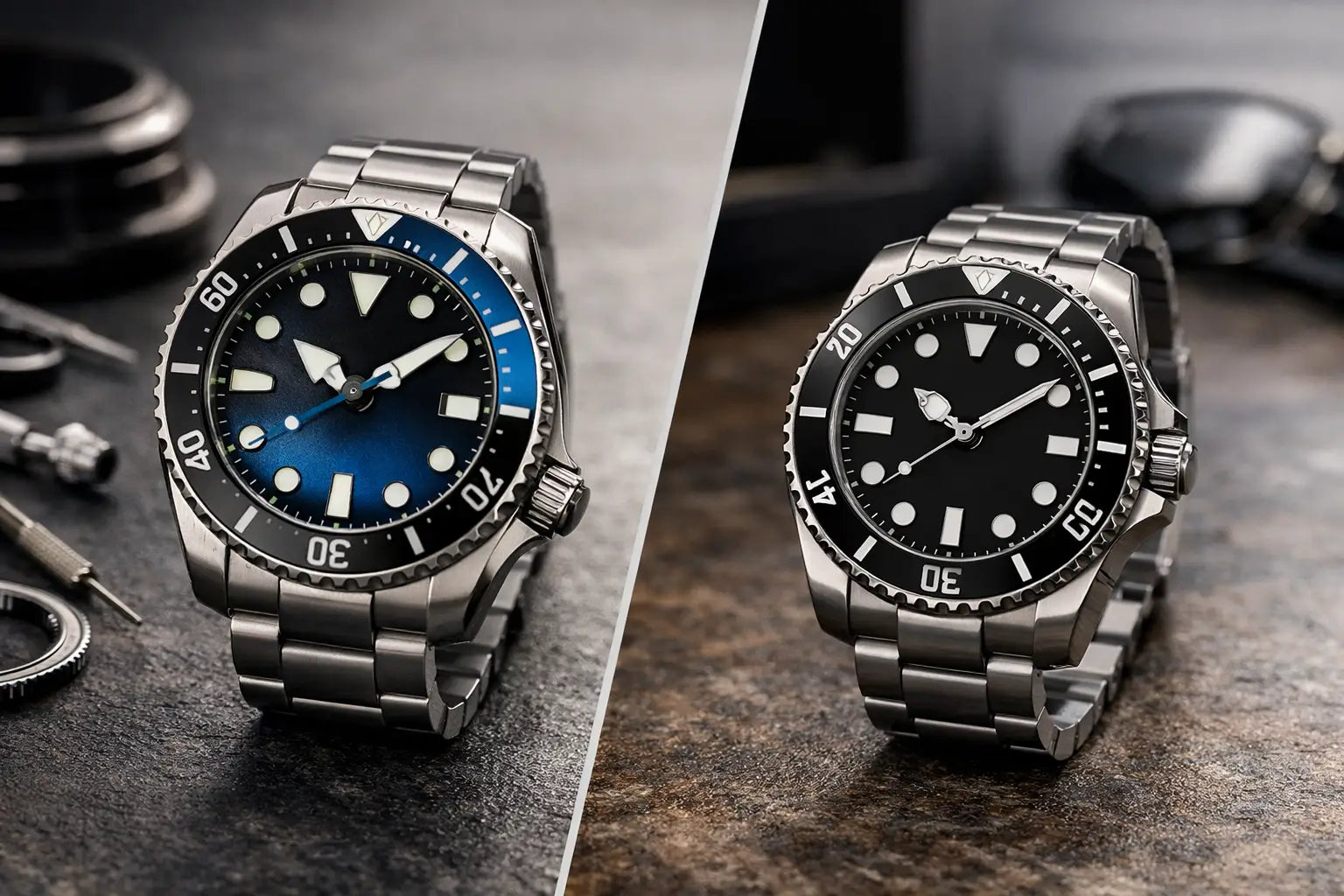
If you own several watches and like changing your look depending on the day, a watch box usually makes immediate sense. It keeps the collection in one place, prevents watches from rubbing against each other, and turns storage into display. A proper box brings order to a growing line-up, whether you collect clean dress pieces, bold dive styles or modded Seiko builds with custom dials and bezels.
There is also a practical point many buyers overlook. Not every watch needs motion. Quartz models do not benefit from a winder, and manual-wind watches certainly do not. Even among automatic watches, some owners simply do not mind resetting the time before wear. If that sounds like you, a box may give you everything you need without adding complexity.
A good watch box also tends to be the stronger option for travel around the home and longer-term storage. It is quiet, low-maintenance, and usually more affordable than a quality winder. If your goal is to protect your pieces, keep straps and cases in better condition, and display them with a polished collector feel, a box does the job with confidence.
When a watch winder is worth it
A watch winder earns its place when convenience is part of the ownership experience. If you regularly wear automatic watches with day, date, or more involved settings, keeping them running can save time and make rotation smoother. That matters more than people admit, especially if you switch pieces to match your outfit, your plans, or your mood.
There is also a certain appeal in opening a cabinet and finding your chosen watch alive, ticking, and ready. For collectors who value the theatre of horology as much as the look, a winder adds a sense of ceremony. It turns storage into presentation with movement, not just placement.
That said, the quality of the winder matters. A poor one can be noisy, overactive, or badly cushioned. A well-made winder should hold the watch securely, rotate with control, and suit the scale of your collection and your space. This is not the accessory to buy on looks alone.
Watch winder vs watch box for automatic watches
If your collection is mostly automatic, the decision becomes more personal. Some collectors assume a winder is essential for every automatic watch. It is not. Most automatic watches can sit safely when not worn, then be reset when needed. A winder is about convenience, not basic survival.
Where it becomes more attractive is with watches you wear often but not daily. A favourite GMT, diver, or date model that rotates in and out of your weekly line-up benefits most. You avoid repeated resetting, and the piece remains in ready condition. If your collection includes several automatics but only one or two are in active rotation, a smaller winder plus a standard watch box can be the smartest solution.
This is where many serious buyers land. They do not choose one over the other in absolute terms. They use a box for the wider collection and a winder for the watches that deserve front-row placement.
Style, display, and the luxury factor
Collectors do not buy watch accessories for function alone. They buy them because the right storage changes the whole presence of a collection. A watch box with clean lines, soft interior cushions and a refined finish feels intentional. It gives each piece its own stage.
A watch winder, meanwhile, leans more dramatic. It suggests motion, precision and a stronger display piece for a desk, dressing room or office. If your watches are part of your personal aesthetic, not simply tools you happen to own, that visual effect counts.
For gift buyers, this distinction matters too. A watch box is usually the safer gift because it suits almost any collection. A winder feels more specialised and more premium, but only if the recipient actually wears automatic watches regularly. Otherwise, it can feel impressive without being useful.
Cost, maintenance, and trade-offs
The strongest case for a watch box is value. You get protection, organisation and presentation at a lower cost, with very little to manage after purchase. It is easy to own and easy to recommend.
A watch winder asks more of you. It costs more, takes up power, and requires you to pay attention to build quality. Not every collector wants another device on a sideboard or shelf. Some prefer the simplicity of opening a box, selecting a watch, and setting it by hand. That ritual is part of the charm.
There is also the question of collection size. If you own one or two automatic watches, a winder may feel like a luxury extra. If you own six, eight, or more and rotate between them frequently, the convenience starts to justify itself. The answer shifts with your habits.
Which one should you buy?
Choose a watch box if you want the most versatile option, especially if your collection includes a mix of quartz, automatic, and manual pieces. It is the right call for protection, clean presentation, and accessible luxury that suits almost every collector.
Choose a watch winder if you mainly wear automatic watches and want at least one piece ready to go at a moment's notice. It is especially useful for watches with date functions or for collectors who dislike resetting time after every pause in wear.
If you want the strongest overall setup, combine both. Keep your wider collection in a proper watch box and reserve a winder for the watches that lead your rotation. That gives you order, protection, and convenience without overcommitting to either side.
For a collector building a wardrobe of standout watches rather than relying on a single forever piece, that balanced approach often feels the most complete. It respects the watches you wear often and the ones you keep for the right occasion.
A great collection deserves storage with the same level of intent. Whether you favour a sleek watch box or the constant readiness of a winder, the best choice is the one that makes your timepieces easier to enjoy, easier to protect, and harder to ignore.